


Vietnam’s weather can be one of the country’s biggest surprises for newcomers. Stretching more than 1,600 kilometers from north to south, the country spans multiple climate zones, meaning weather conditions vary sharply by region, season, and even time of day.
Understanding how Vietnam’s climate works can help residents and visitors plan travel, avoid weather disruptions, and stay safe during extreme conditions.
Three Climate Zones, One Country
Vietnam is broadly divided into three weather regions:
- Northern Vietnam (Hanoi, Ha Long, Sapa) has four distinct seasons, including a cool, sometimes damp winter and a hot, humid summer.
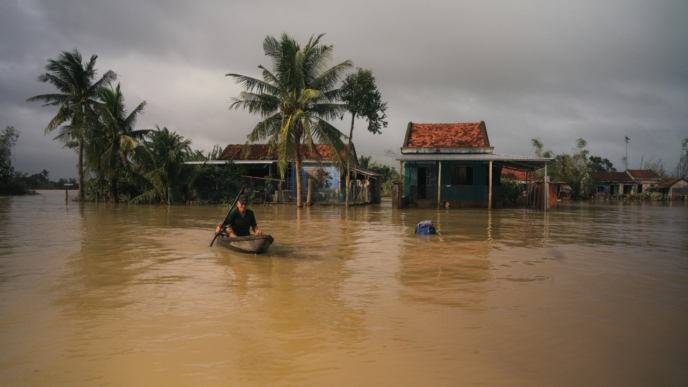
- Central Vietnam (Hue, Da Nang, Nha Trang) experiences a pronounced rainy season and is more exposed to typhoons and flooding.
- Southern Vietnam (Ho Chi Minh City, Mekong Delta) has a tropical climate with a dry season and a wet season, and relatively stable temperatures year-round.
Temperatures generally range from the low 20s Celsius in winter in the north to well above 30°C in the south during hotter months.
Rainy Season vs. Dry Season
Vietnam does not have the same seasons everywhere at the same time.
- The rainy season usually runs from May to October in much of the country, bringing heavy afternoon showers, high humidity, and occasional flooding.
- The dry season typically lasts from November to April, with clearer skies and more stable travel conditions.
Central Vietnam’s rainy season peaks later in the year, often between September and December.
Typhoons and Severe Weather
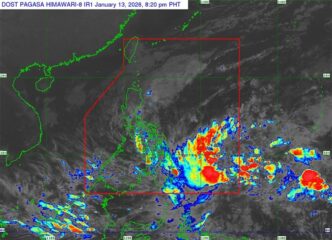
Vietnam is affected by tropical storms and typhoons almost every year, mainly between June and November. These storms can bring:
- Heavy rain and flooding
- Strong winds
- Landslides in mountainous areas
- Disruptions to flights, trains, and ferries
Storms usually affect central and northern coastal areas most strongly, but their remnants can bring rain far inland.
Heat and Air Quality
Heat waves are becoming more common, particularly in southern and central Vietnam. High humidity can make temperatures feel significantly hotter than the actual reading.
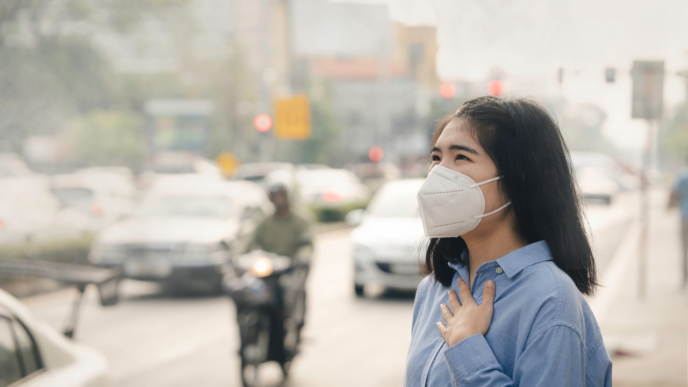
Air quality can also worsen during dry periods, especially in large cities, due to traffic emissions and seasonal agricultural burning.
How to Prepare
Weather in Vietnam is manageable — but it requires awareness.
- Check daily forecasts during the rainy and storm seasons.
- Allow buffer time for travel during periods of heavy rain or storms.
- Stay informed through local weather agencies and alerts.
- Prepare for heat with hydration, sun protection, and appropriate clothing.
- Avoid flood-prone and landslide-prone areas during prolonged rainfall.
Bottom Line
Vietnam’s weather is dynamic, regional, and increasingly influenced by climate change. While it rarely stops daily life, it can affect travel, safety, and comfort.
Understanding seasonal patterns — and respecting extreme conditions when they arise — is the key to living well and traveling safely in Vietnam.