

Vietnam is one of Southeast Asia’s most rewarding destinations — vibrant cities, breathtaking landscapes, incredible food, and warm hospitality. But like many popular travel destinations, it also has its share of travel scams that can catch first-time visitors off guard.
Most Vietnamese people are honest and welcoming, yet a small number of bad actors target tourists who don’t know local customs, prices, or systems. The good news? With a little awareness, nearly all of these scams are easy to avoid.
Here are the top eight most common travel scams in Vietnam — and how to protect yourself.
1) Taxi & Ride Scams (Most Common)
One of the most widespread issues for visitors is unreliable taxis.
Common tricks include:
- Drivers refusing to turn on the meter
- Taking deliberately long routes
- Using fake taxi logos that look like legitimate brands
- Claiming the meter is “broken” and demanding a fixed price
In some cases, tourists have been charged two or three times the normal fare.
How to avoid it:
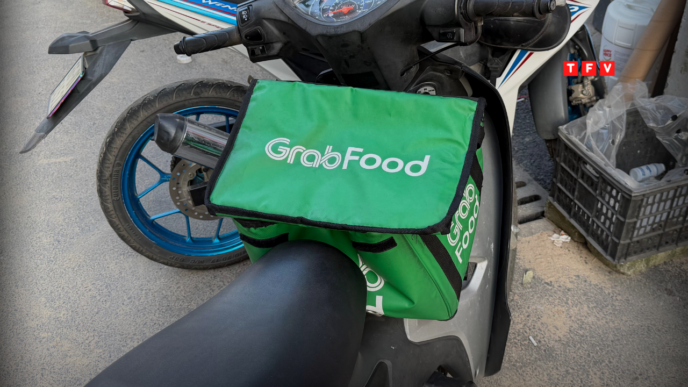
Stick to reputable companies like Mai Linh, Vinasun, or Grab (Vietnam’s most widely used ride-hailing app). If you take a street taxi, insist the driver uses the meter before you get in.
2) Motorbike Rental Damage Scam
This happens particularly in tourist hubs like Ho Chi Minh City, Hanoi, and Da Nang.
A rental shop may:
- Point out existing scratches as “new damage”
- Refuse to return your deposit
- Claim expensive repairs are needed
How to avoid it:
Take clear photos and videos of the bike before renting — including all scratches, dents, and marks — and have the staff acknowledge them.
3) Tattoo Scam ( $1–$2 Tattoo Trap)
This is a growing scam in busy tourist areas and night markets.
Street vendors offer small, temporary tattoos for as little as $1 or $2. Tourists often agree and may get multiple designs. Afterward, the vendor suddenly claims that the cheap price only applied to tiny tattoos — not the larger ones already applied.
They may then demand up to 2 million VND (around $80+), using pressure, crowds, or even intimidation to force payment.
How to avoid it:
If you want a temporary tattoo, agree on a total final price in advance — and walk away immediately if the vendor changes terms.
4) Fake Tour Agents
In places like Hanoi’s Old Quarter or Ho Chi Minh City’s District 1, some unofficial travel agents sell overpriced or low-quality tours.
You might pay for:
- A “luxury” Ha Long Bay cruise that turns out to be basic, small boat tour.
- A guided tour that barely includes anything advertised
- Transportation that is unreliable, unsafe or uncomfortable
How to avoid it:
Book through reputable platforms like Klook, GetYourGuide, or directly with well-reviewed companies.
5) Currency Confusion Scam
Vietnamese currency (VND) has many zeros, which can confuse visitors.
A seller might quote a price like “two thousand” — but mean 200,000 VND, not 2,000 VND. Others may quickly switch banknotes during a transaction.
How to avoid it:
Always confirm prices in writing or on a calculator, and double-check your change.
6) “Closed” Attraction Scam
A local may tell you a temple, museum, or tourist site is “closed today,” then offer to take you somewhere else — usually to a shop or expensive alternative tour.
How to avoid it:
Check opening hours on Google Maps or your hotel before believing strangers.
7) Overpriced Street Food or Restaurant Menus
Some places have one menu for locals and a more expensive one for tourists — or no prices listed at all. Make sure to visit locations where prices are listed.
How to avoid it:
Choose places with clearly displayed prices, or check Google Maps reviews beforehand.
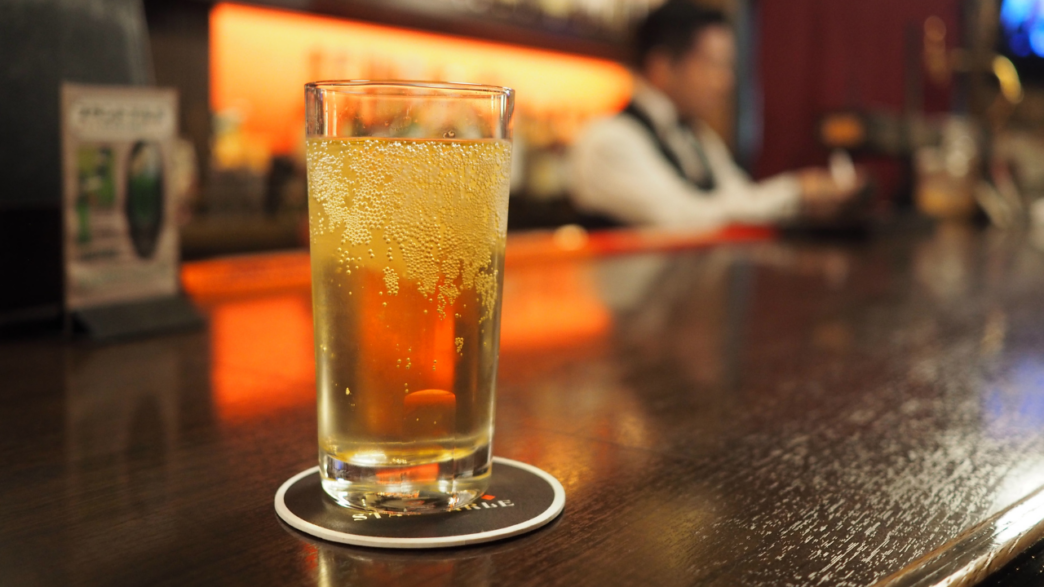
8) Dating App – Bar & Alcohol Scam (Expensive Open Tab Trap)
This is becoming increasingly common in major cities such as Ho Chi Minh City, Hanoi, and Da Nang.
It usually starts on dating apps like Tinder, Bumble, or local platforms. A local man or woman will chat with you, build rapport quickly, and then suggest meeting at a specific bar or lounge — often one you’ve never heard of.
Once there, they may:
- Encourage you to order premium drinks
- Insist on expensive bottles of alcohol
- Run up an open tab without showing you prices
- Order food or drinks “for the table”
The bar staff is typically in on the scheme. When the night ends, you may be presented with a bill ranging from hundreds to even thousands of dollars, and staff may pressure you to pay before you can leave.
How to avoid it:
If you meet someone from a dating app, choose the venue yourself, preferably a well-known bar, café, or restaurant with clearly displayed prices. Avoid places that insist on an open tab, and never let someone you just met order freely on your behalf.
Final Word
The vietnamese government and police officials take reports of scams very seriously. Make sure to document and report anything to the tourist police.
Most travelers visit Vietnam without any issues — but awareness makes all the difference. By staying informed and cautious, you can focus on enjoying the country’s beauty, culture, and hospitality rather than worrying about scams.