
For many foreigners arriving in Vietnam, one of the first questions is simple: Can I drink the tap water?
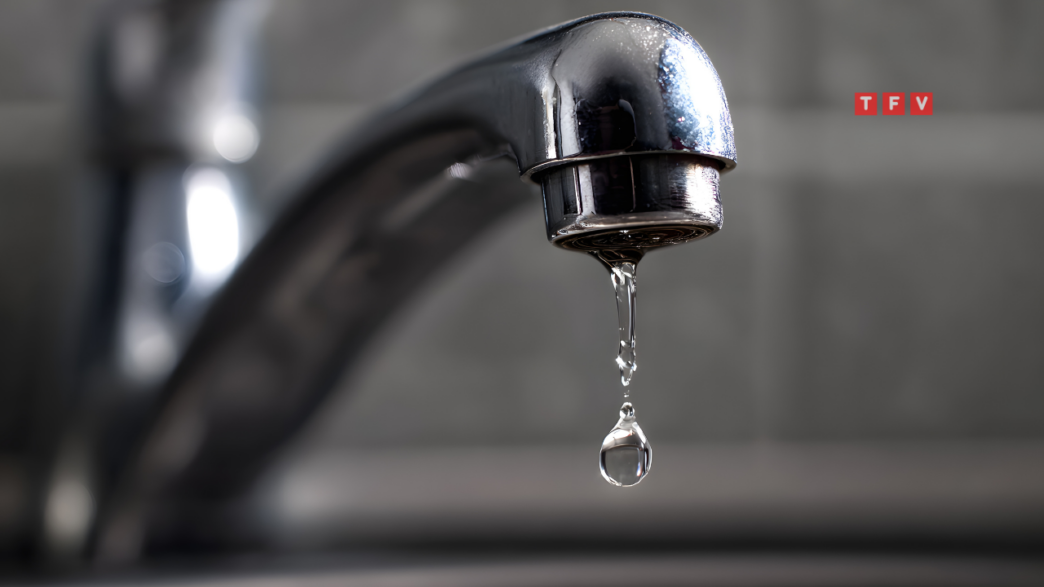
The short answer is no. Tap water in Vietnam is not considered safe to drink directly, even in major cities like Hanoi, Ho Chi Minh City, or Da Nang.
While municipal water is treated, the issue is often the aging pipe systems, building storage tanks, and inconsistent filtration before it reaches your faucet.
What this means for you
You should not drink tap water straight from the sink. Most locals don’t either. Drinking water is typically:
- Boiled
- Filtered
- Or purchased in large bottled containers
Most apartments and homes use 20-liter bottled water jugs for daily drinking.
What about brushing your teeth or taking a shower?
Brushing your teeth with tap water is generally fine for most foreigners, as long as you don’t down it. Many people do this without issue.
If you have a sensitive stomach, you can use bottled water for brushing during your first weeks. The water is safe for showers, you can find a shower head that purifies it for those with sensitive skin.
Is ice safe in Vietnam?
Yes — in most places you will visit.
Ice in Vietnam is usually made in commercial ice factories using filtered water and delivered in large blocks or tubes to cafes and restaurants. The hollow tube-shaped ice you often see in drinks is a good sign it’s factory-made.
Avoid ice in:
- Very remote areas
- Questionable roadside setups with poor hygiene
In normal cafes, restaurants, and street food spots in cities, ice is generally safe.
What about food and drinks?
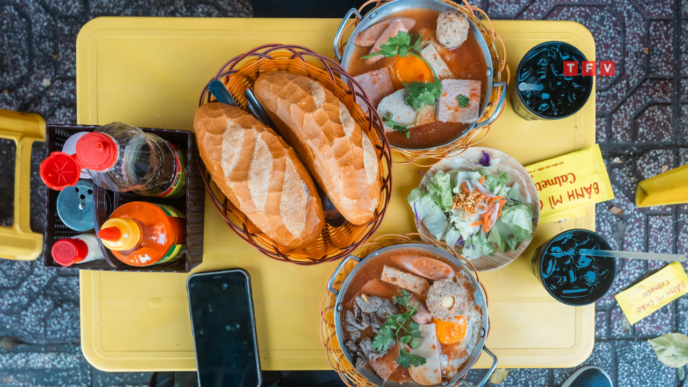
Vietnamese food safety is more about hygiene and freshness than the water itself.
Stick to places that are:
- Busy
- Clean-looking
- Popular with locals
Freshly cooked food, hot soups like pho, and busy street vendors are usually very safe choices.
Bottom line
- Don’t drink tap water
- Ice is usually safe in cities
- Use bottled water for drinking
- Focus on where you eat, not just what you eat
- Okay to shower.
Most foreigners adapt quickly and rarely have issues once they follow these basic rules.