

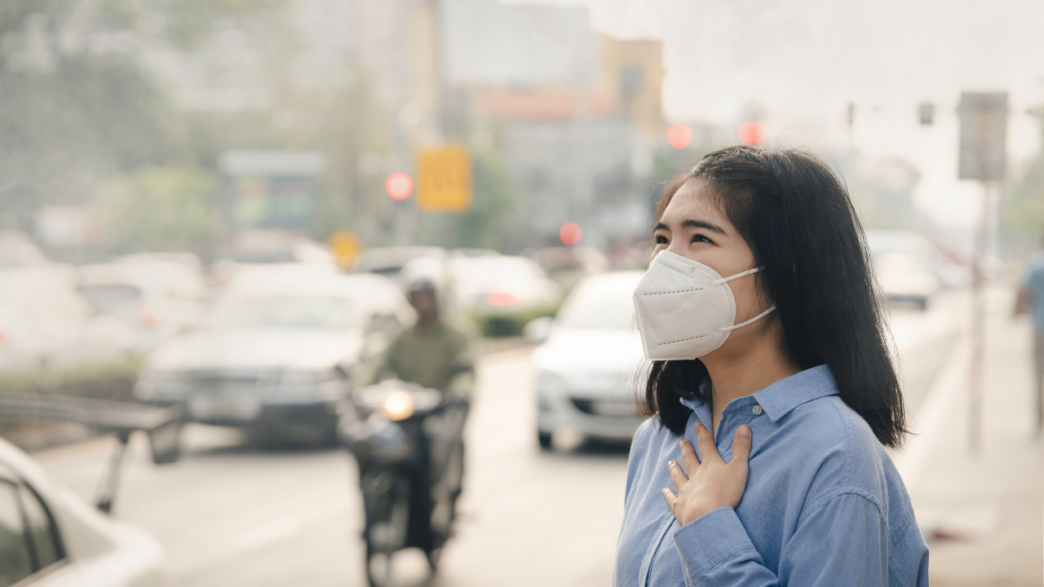
Air quality is an increasing concern in Vietnam’s major cities, particularly Hanoi and Ho Chi Minh City, where traffic, construction, and seasonal agricultural burning can push pollution levels higher at certain times of year.
When air quality is worst
Poor air quality tends to occur:
- During the dry season when pollution is not washed away by rain
- In winter in northern Vietnam when temperature inversions trap pollutants
- During regional crop-burning periods
What the AQI means
Vietnam uses the Air Quality Index (AQI), which measures particulate matter and pollutants:
- 0–50: Good
- 51–100: Moderate
- 101–150: Unhealthy for sensitive groups
- 151+: Unhealthy
Who should be cautious
- Children
- Older adults
- People with asthma or heart conditions
How to reduce exposure
- Limit outdoor activity when AQI is high
- Use air purifiers indoors
- Wear certified pollution masks when necessary
Bottom line: Air quality fluctuates, but staying informed and taking basic precautions can significantly reduce health risks.