


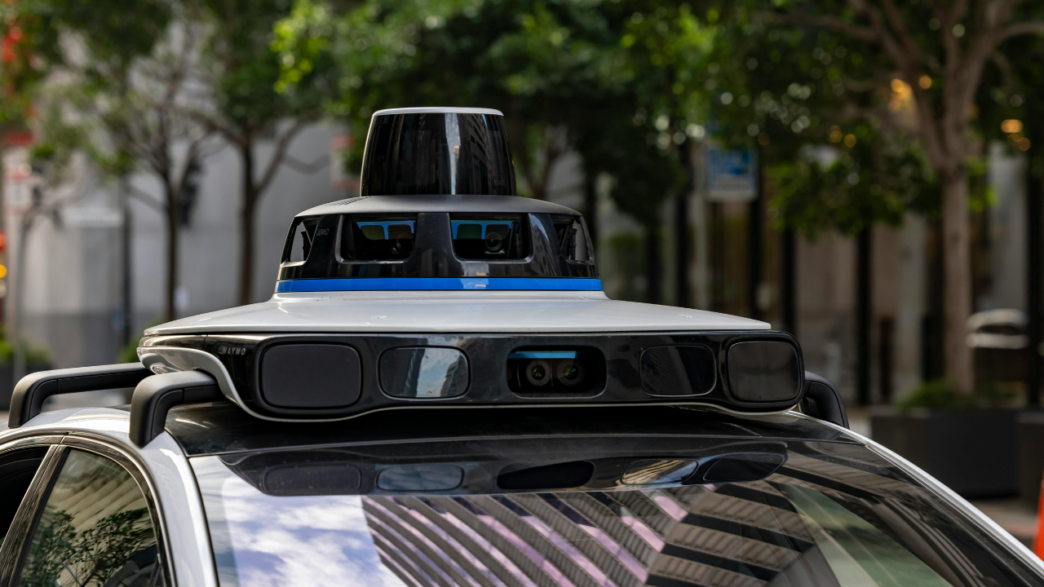
Could Vietnam see limited autonomous vehicle deployment by 2030? Major infrastructure, regulatory and safety challenges mean widespread use remains uncertain.
Domestic companies and tech groups have begun testing driverless systems in controlled environments, and authorities in Ho Chi Minh City and other areas have allowed limited pilot programs in designated zones. These trials signal growing interest in autonomous transport as part of broader smart-city and digitalization strategies.
Still, Vietnam’s dense, mixed traffic — dominated by motorbikes, pedestrians and informal road behavior — presents a significant hurdle for self-driving technology, which relies on predictable conditions, consistent lane markings and structured traffic flows.
Regulators have also warned that fully autonomous vehicles are not yet suitable for Vietnam’s current road environment, pointing to the need for clearer legal frameworks, improved infrastructure and stronger safety standards before wider deployment is possible.
If implemented successfully, autonomous vehicles could help reduce congestion, lower emissions and improve urban mobility in Vietnam’s fast-growing cities. For now, analysts say progress will likely remain gradual, with pilot programs expanding slowly rather than a rapid nationwide rollout.