

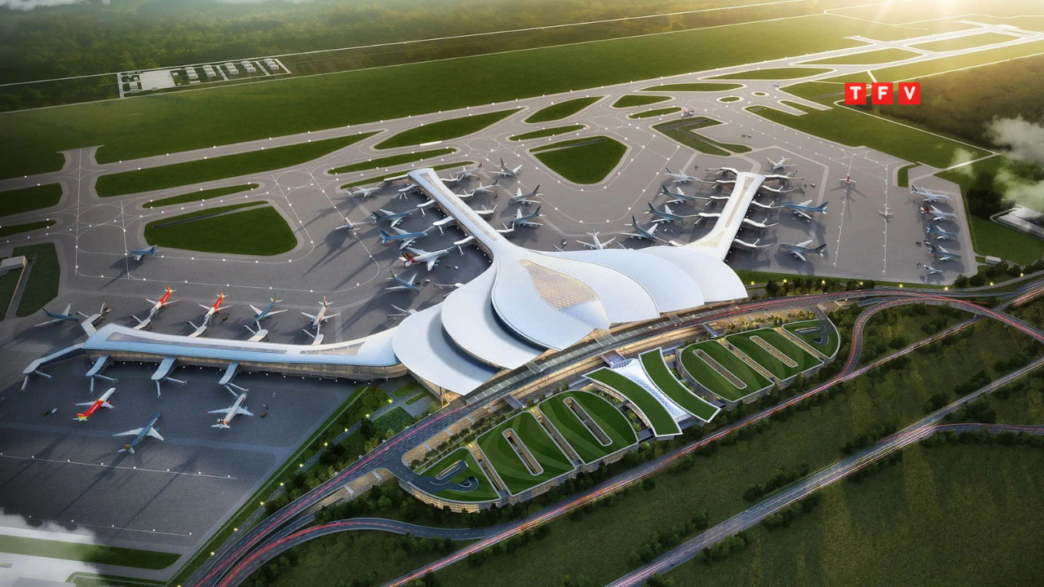
Vietnam is building what could become one of Southeast Asia’s most consequential pieces of transport infrastructure: Long Thanh International Airport, a new hub outside Ho Chi Minh City designed to relieve the chronic congestion of Tan Son Nhat and position the country for the next wave of tourism, trade, and foreign investment.
The airport’s total investment cap is about VND 336.63 trillion (roughly $16 billion), according to Vietnam’s National Assembly–cited reporting. When fully built out, Long Thanh is planned to reach a peak design capacity of about 100 million passengers and 5 million tonnes of cargo per year—numbers that place it in the “mega-hub” class globally. (The Investor)
A 5,000-hectare platform for long-term growth
Long Thanh is located in Dong Nai province, roughly 40 km east of Ho Chi Minh City, and the full airport complex is planned across roughly 5,000 hectares—a footprint more comparable to an “airport city” than a simple runway-and-terminal project.
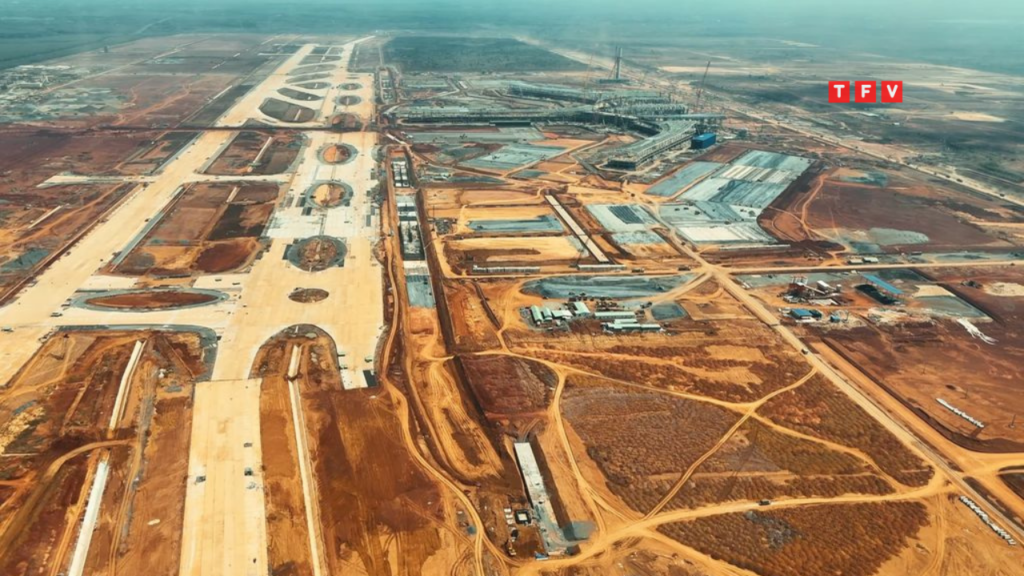
Phase 1: a 25-million-passenger start (with room to scale)
The airport is being developed in phases, and Phase 1 is designed to open Long Thanh as a functional international gateway before it expands into a full hub. In Phase 1, the plan includes one passenger terminal sized for 25 million passengers per year, built to ICAO 4F standards (the highest category, used for large widebody operations according to ACI Asia-Pacific.
This first stage also includes a 4,000-meter runway (4 km), along with taxiways and apron systems—core assets that make future expansion faster and cheaper than building an entirely new airport later.
What travelers should know
For visitors, the near-term impact is simple: as Long Thanh comes online, it is expected to take pressure off Ho Chi Minh City’s current airport and expand international connectivity to southern Vietnam over time. Long Thanh’s early milestones have already included symbolic “first flight” events tied to initial operations.
- The airport **welcomed its first official flights on December 19, 2025, when a Vietnam Airlines Boeing 787 and aircraft from VietJet Air and Bamboo Airways landed as part of an inaugural ceremony marking Phase 1 operations.